Currently Empty: $0.00
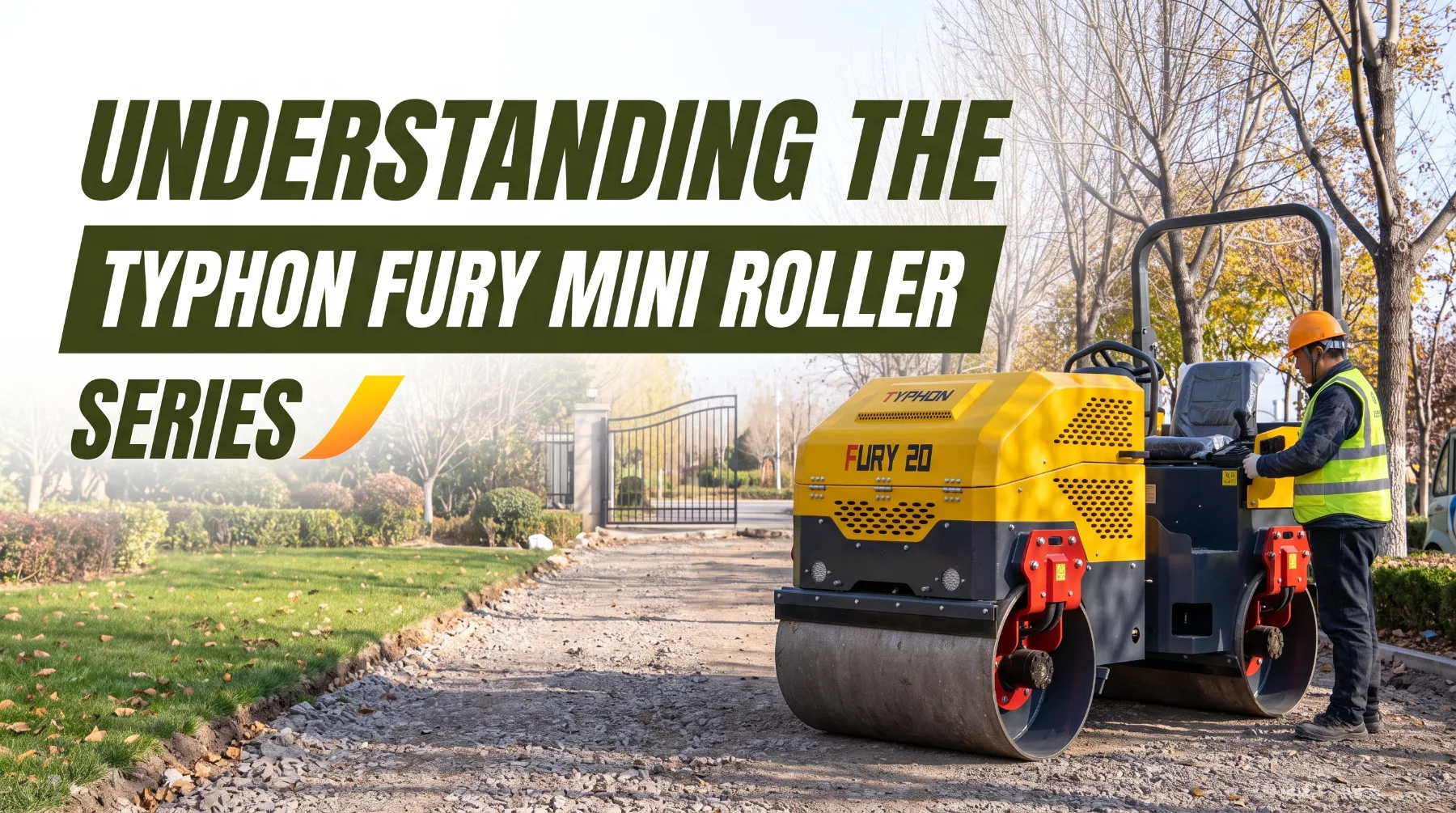
Understanding the TYPHON FURY Mini Road Roller Series
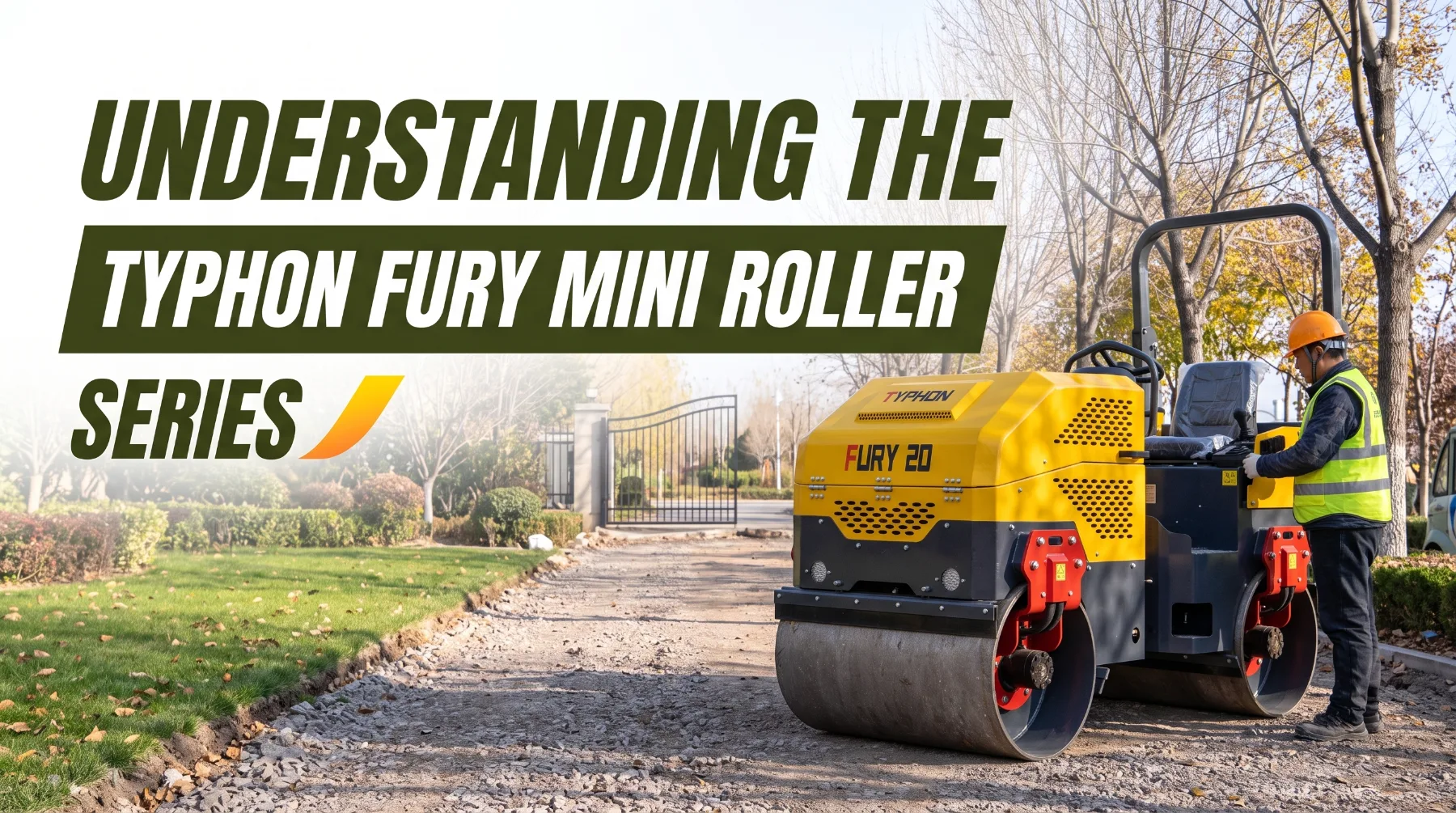 A contractor pulls up to a tight residential driveway job on a Monday morning, ready to compact a fresh gravel base before the asphalt crew arrives. The full-size roller he usually runs won't fit past the narrow gate, and rolling it across the neighbor's lawn is out of the question. He looks at the space, does the math, and realizes the machine that handles his highway work is simply too big for the spots where most of his money actually gets made. That gap between what a jobsite needs and what a large roller can reach is exactly where a compact machine earns its keep, and the TYPHON FURY Mini Road Roller Series was built to close it. The TYPHON FURY series answers a straightforward question that plagues small and mid-sized contractors: how do you get real compaction power into places a big roller can't go? These machines pack genuine drum force into a frame that squeezes through gates, works along curbs, and turns in spaces that would strand a larger unit. This guide walks through the six features that define the series and explain why crews reach for it:
- A compact design that reaches tight and awkward jobsites
- Drum compaction that delivers steady ground contact
- Engine power paired with sensible fuel efficiency
- Operator controls built for quick, confident handling
- Durable construction that stands up to daily abuse
- Ideal applications where the series truly shines
Here's a closer look at what each one brings to your work.
Built Small to Reach Big Problems
Access defines the value of any compact roller, and the FURY series starts with a footprint sized for the places larger machines abandon. The frame stays narrow enough to pass through standard gates and gaps, letting you roll straight into backyards, alleys, and fenced lots without dismantling anything or begging a neighbor for space. A machine that reaches the work is a machine that earns its cost on jobs a full-size roller would force you to turn down. Maneuverability comes next once the machine is on site. Tight turning circles and a balanced chassis let an operator swing the roller around obstacles, hug a foundation line, and reverse out of dead-end corners without a spotter waving hands the whole time. The series was shaped so that working close to walls, edges, and existing structures feels natural rather than nerve-wracking, which matters when a single scrape can mean a callback. Transport rounds out the compact advantage in a way owners feel every week. A lighter, smaller roller loads onto a standard trailer behind a pickup, moves between sites without a specialized hauler, and unloads in minutes at each stop. That mobility keeps a small crew nimble, so you chase more jobs in a day instead of burning hours on logistics. What this means: the FURY frame is engineered to reach, turn, and travel where bigger rollers stall, turning cramped sites into billable work.
Drum Force That Keeps Steady Contact
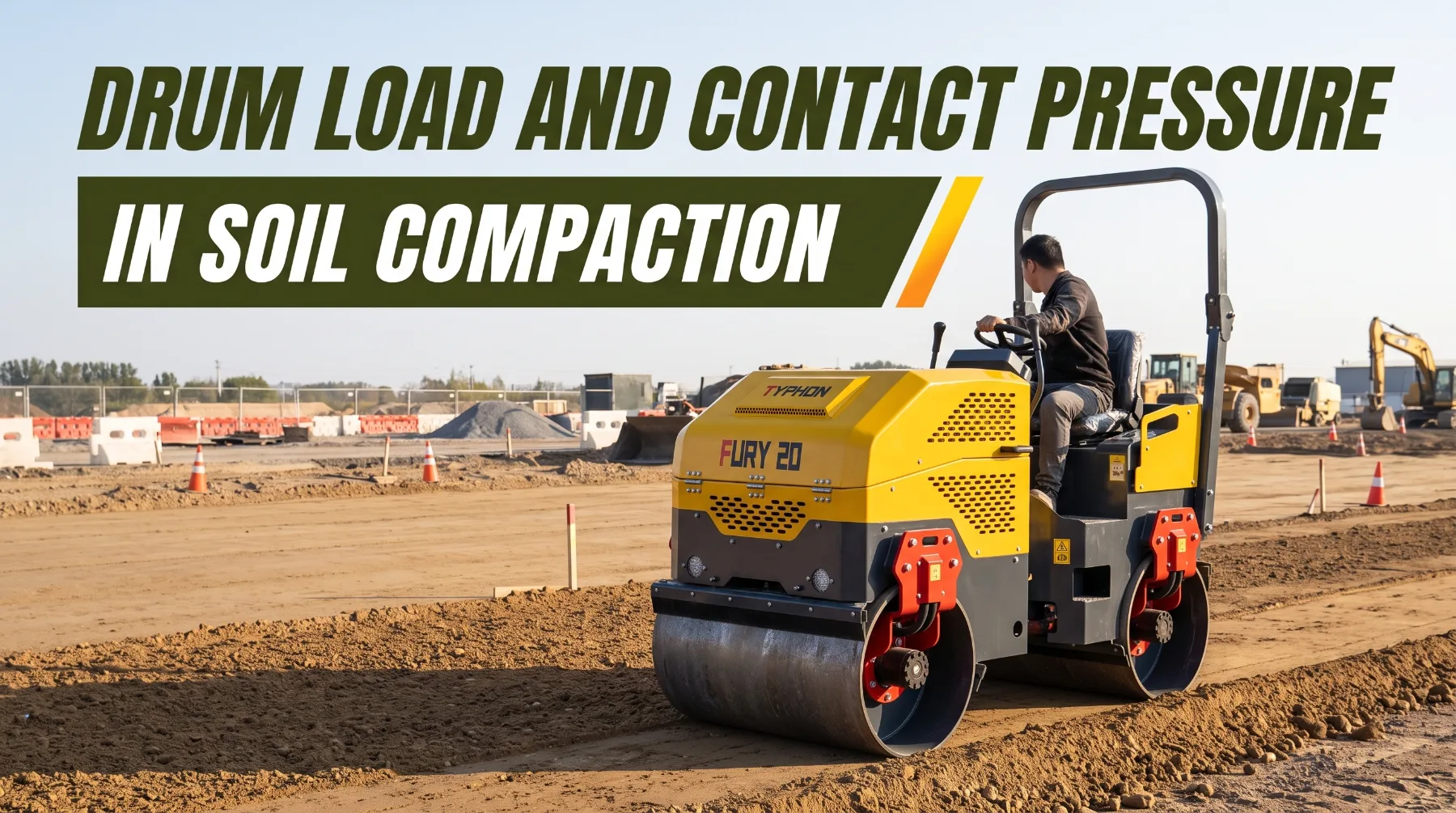
Compaction is the whole point of a roller, and the FURY drums are designed to press soil, gravel, and asphalt into a dense, stable surface that lasts. Each pass applies consistent downward force across the drum width, driving out air pockets and locking the material together so the finished base resists rutting and settling. A roller that compacts evenly on the first few passes saves you the wasted fuel and time of chasing soft spots later. Ground contact separates a good result from a mediocre one, and the series holds its drums flat and true against the surface throughout the roll. Even weight distribution prevents the ridging and uneven density that plague machines with poor drum geometry, so the surface you leave behind reads uniform when the inspector checks it. Smooth, full-width contact also means fewer passes to hit target density, which stretches your working day further.
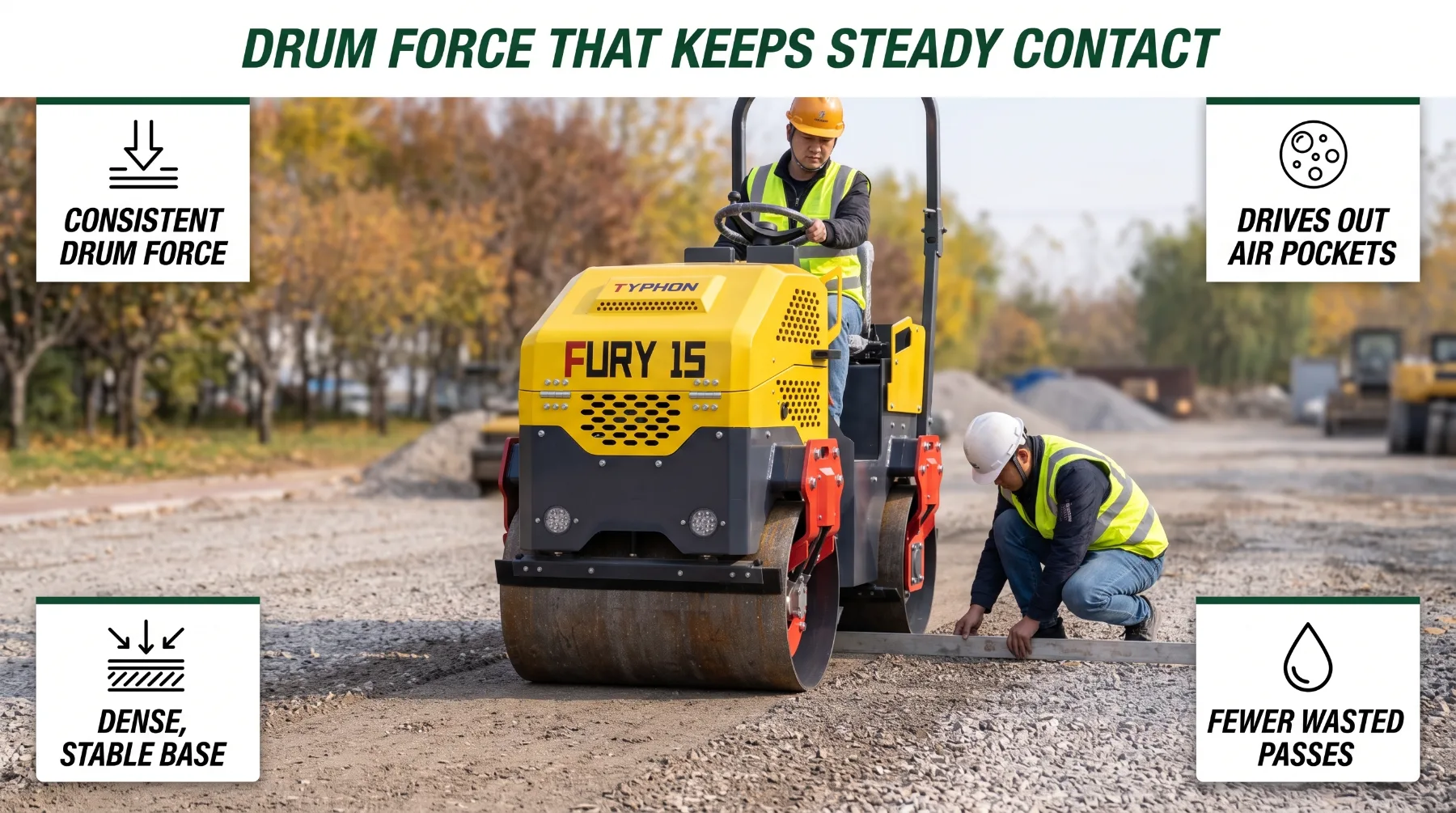 Vibration adds another layer of compacting muscle where the series really shows its class. A vibratory drum sends energy deep into the material, settling particles that static weight alone would leave loose, and that reach matters most on thicker lifts of granular fill. The result is a firmer foundation with less effort from both the operator and the machine. Key takeaway: the FURY drums combine even weight, true contact, and vibratory action to deliver dense, uniform compaction in fewer passes.
Power and Fuel Sense in One Package
Engine performance drives everything a roller does, and the FURY series pairs dependable output with a thirst that won't drain your budget. The powerplant delivers enough torque to keep the drum turning and vibrating through demanding material, so the machine doesn't bog down when the base gets stubborn or the grade turns against it. Reliable power under load is what separates a roller that finishes the job from one that stalls at the worst moment. Efficiency shapes the ownership math just as strongly as raw output does. A well-matched engine sips fuel during long compaction runs, letting a crew work a full shift without constant refueling stops that break rhythm and eat into the schedule. Lower consumption also trims the running cost that quietly adds up across months of daily use, which is where a smart purchase proves itself. Emissions and dependability tie the package together for the long haul. A clean-running, properly tuned engine meets the standards jobsites increasingly demand while starting readily on cold mornings and holding steady through heat and dust. That reliability spares you the downtime and repair bills that turn a productive machine into a parked liability. What this means: the FURY engine balances strong pulling power with fuel economy and clean, dependable operation, keeping both your schedule and your costs in check.
Controls That Feel Right From the First Pass
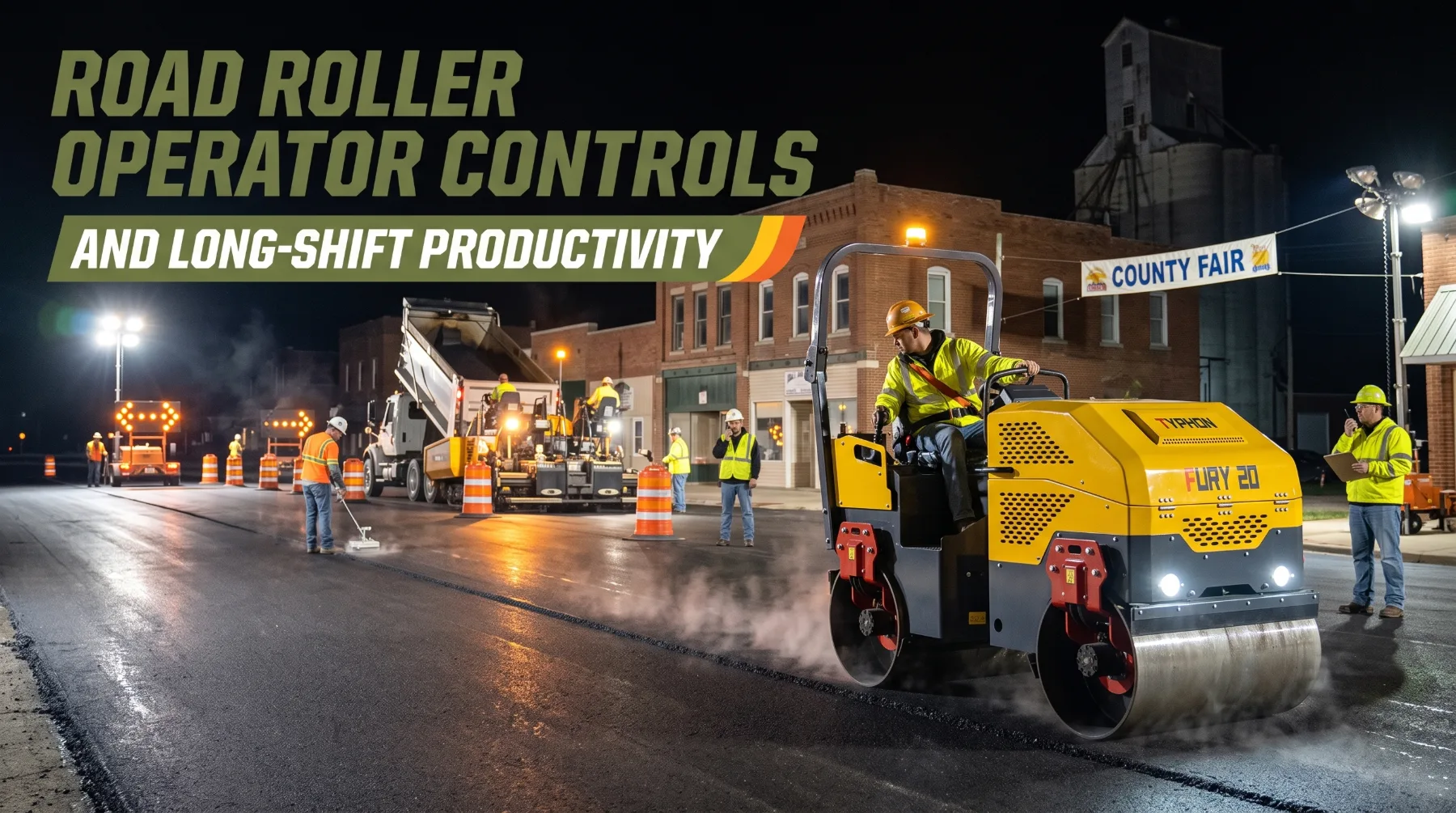
Operators decide how much a roller actually produces in a shift, and the FURY series puts its controls within easy, intuitive reach so skill translates straight into results. Levers and switches sit where the hands expect them, the throttle and vibration engage without a fight, and a new hand can run the machine safely after a short walkthrough rather than a full day of training. Controls that make sense from the start cut mistakes and speed up every job. Comfort keeps that productivity flowing hour after hour on the seat or at the handle. Thoughtful layout, reduced vibration reaching the operator, and clear sightlines to the drum edges mean less fatigue and fewer errors as the afternoon wears on. A tired operator makes sloppy passes, so a machine that eases the physical toll protects the quality of the finished surface. Visibility and safety complete the picture in a way that pays off on crowded sites. Open lines of sight to the drum and surroundings, combined with responsive braking and steering, let the operator work confidently near people, equipment, and fixed edges. That confidence turns careful, precise compaction into second nature rather than a constant worry. Key takeaway: the FURY controls are laid out for intuitive handling, all-day comfort, and clear visibility, so operators produce clean, accurate work with less strain.
Made to Take a Beating and Keep Working
Durability determines whether a roller stays a tool or becomes a headache, and the FURY series is built with heavy-duty components meant to survive the grind of daily compaction. A robust frame, protected hydraulics, and hardened drums absorb the shocks, dust, and vibration that wear lesser machines down fast. Equipment that holds together job after job protects your investment far better than a cheaper unit that needs constant patching. Materials and finish back up that toughness against the elements a roller lives in. Corrosion-resistant coatings, sealed connections, and quality castings resist the moisture, grit, and impact that jobsites throw at a machine, so the FURY keeps its structural integrity through seasons of hard use. Build quality you can see usually reflects the engineering you can't, and that reassurance matters when you're spending real money.
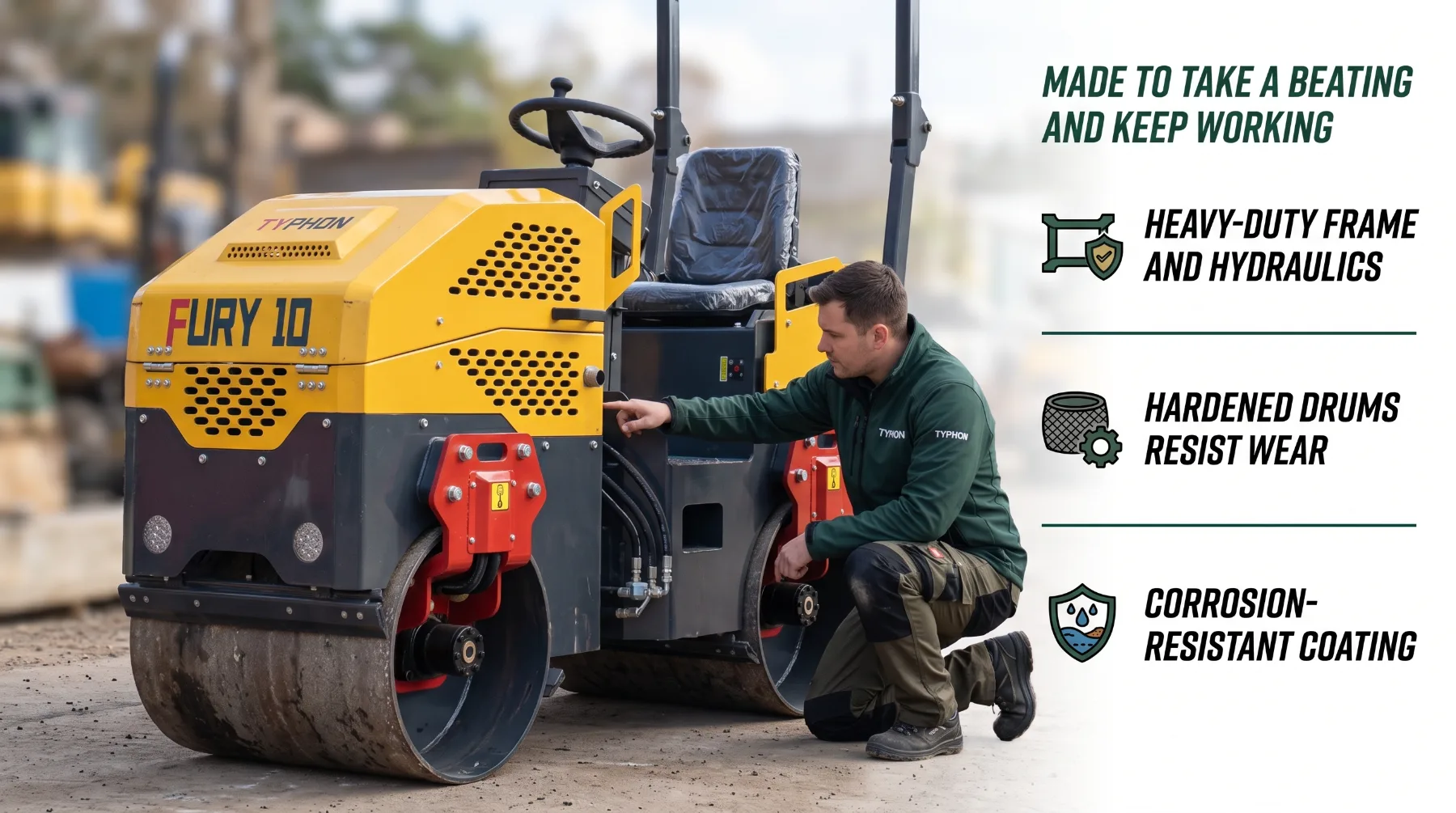 Maintenance access seals the deal for anyone who has to keep a fleet running. Sensible service points, reachable filters, and clear routing let a mechanic or owner handle routine upkeep quickly instead of wrestling with the machine to reach a simple fitting. Easy maintenance means the roller spends more time compacting and less time in the shop. What this means: the FURY series is constructed from durable, well-protected components with accessible service points, delivering long working life and minimal downtime.
Where the FURY Series Earns Its Place
Application is where every feature of a machine finally proves its worth, and the FURY series fits a wide band of compaction work that mid-sized crews handle daily. Driveways, walkways, parking pads, and residential base prep all sit squarely in its wheelhouse, where the blend of compact size and genuine drum force matches the scale of the job. A roller sized to the work you actually win is a roller that pays for itself quickly. Landscaping and utility work broaden the range even further for contractors who wear several hats. Compacting trench backfill, prepping ground for pavers, and firming up sub-base for small commercial lots all play to the machine's strengths, since these tasks demand access and precision more than raw tonnage. The series slots into that middle ground where a plate compactor is too small and a full roller is too big. Repair and finishing jobs round out the list of spots the FURY handles with ease. Patching asphalt, rolling out seams, and touching up areas a large roller can't reach cleanly all call for a nimble, controllable machine that leaves a tight, professional surface. That versatility lets one purchase cover many roles across a working week. Key takeaway: the FURY series shines on driveways, landscaping, utility backfill, and repair work, giving mid-sized crews one machine that covers the jobs between plate compactors and full-size rollers.
Conclusion
The TYPHON FURY Mini Road Roller Series makes sense the moment you line up its features against the work most contractors actually do. Start with the compact frame, since access to tight sites is what opens jobs a full-size roller would force you to decline, then look at the drums, where even weight, true contact, and vibratory action deliver dense compaction in fewer passes. Weigh the engine, which pairs dependable pulling power with fuel economy and clean operation, and consider the controls, laid out for intuitive handling, comfort, and clear visibility so operators produce accurate work with less strain. Factor in the durable, well-protected build with accessible service points that keeps the machine working instead of sitting in a shop, and match all of it to the driveways, landscaping, utility, and repair jobs where the series truly shines. Judge the FURY on those points in that order, and you'll see quickly whether it fits the work ahead of you. Before your next base-prep or compaction job, size the machine to the site, confirm the drum and engine suit the material, and plan the routine upkeep that keeps it running clean season after season. When you're ready to put a dependable, well-built compact roller to work, or need help matching a model to your projects, reach out to a trusted equipment specialist who can pair the right machine with the results your work depends on.
Frequently Asked Questions
What size jobs is the TYPHON FURY Mini Road Roller Series best suited for? The series is built for the middle ground between a handheld plate compactor and a full-size roller, so it fits driveways, walkways, parking pads, residential base prep, and small commercial sub-base work well. Its compact frame reaches backyards, alleys, and fenced lots that larger machines can't enter, while the drums still deliver the force needed for a dense, stable surface. If your work lives on tight or awkward sites where access matters as much as compaction power, the FURY sits right in that sweet spot. For sprawling highway or large lot work, a bigger roller remains the better call. How does the FURY series achieve strong compaction in such a compact frame? Effective compaction comes from a combination of drum weight, even ground contact, and vibratory action rather than sheer machine size. The FURY drums apply consistent downward force across their full width, holding flat and true against the surface to prevent the ridging and uneven density that plague poorly built rollers. Vibration then drives energy deeper into the material, settling particles that static weight alone would leave loose, which matters on thicker lifts of granular fill. That blend lets a smaller machine hit target density in fewer passes than its footprint might suggest. Is the TYPHON FURY series easy to transport and maintain? Yes, and both were clear priorities in the design. The compact, lighter frame loads onto a standard trailer behind a pickup and unloads in minutes, so a small crew can move between sites without a specialized hauler or lost hours on logistics. On the maintenance side, sensible service points, reachable filters, and clear routing let an owner or mechanic handle routine upkeep quickly instead of wrestling the machine to reach a simple fitting. Combined with the durable, well-protected components, that easy access keeps the roller compacting on the jobsite rather than parked in the shop.